

The Introvert’s Dilemma: Why We Fight for Our Teams but Hide from Ourselves
Category:Career Development,Introverted Leadership,PodcastThe Introvert’s Dilemma: Why We Fight for Our Teams but Hide from Ourselves
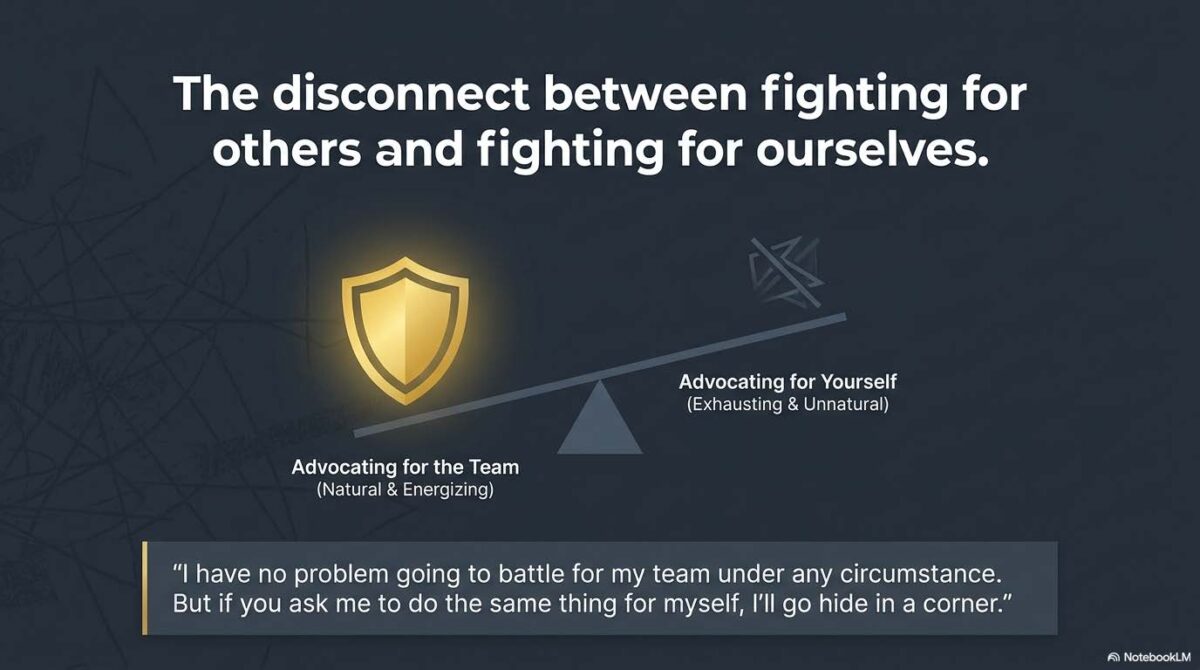
“I have no problem going to battle for my team under any circumstance. But if you ask me to do the same thing for myself, I’ll go hide in a corner.”
When Eeshita Grover said those words to me during a podcast interview a few years back, I didn’t just laugh—I felt them. It hits incredibly close to home for so many of us.
Advocating for our teams comes naturally. When it comes to protecting our teams, advocacy comes naturally to us. But when the focus shifts to self-promotion, navigating office politics, or managing up in a massive organization, we often pull back.
The Challenges of Managing Up and Self-Promotion for Introverts
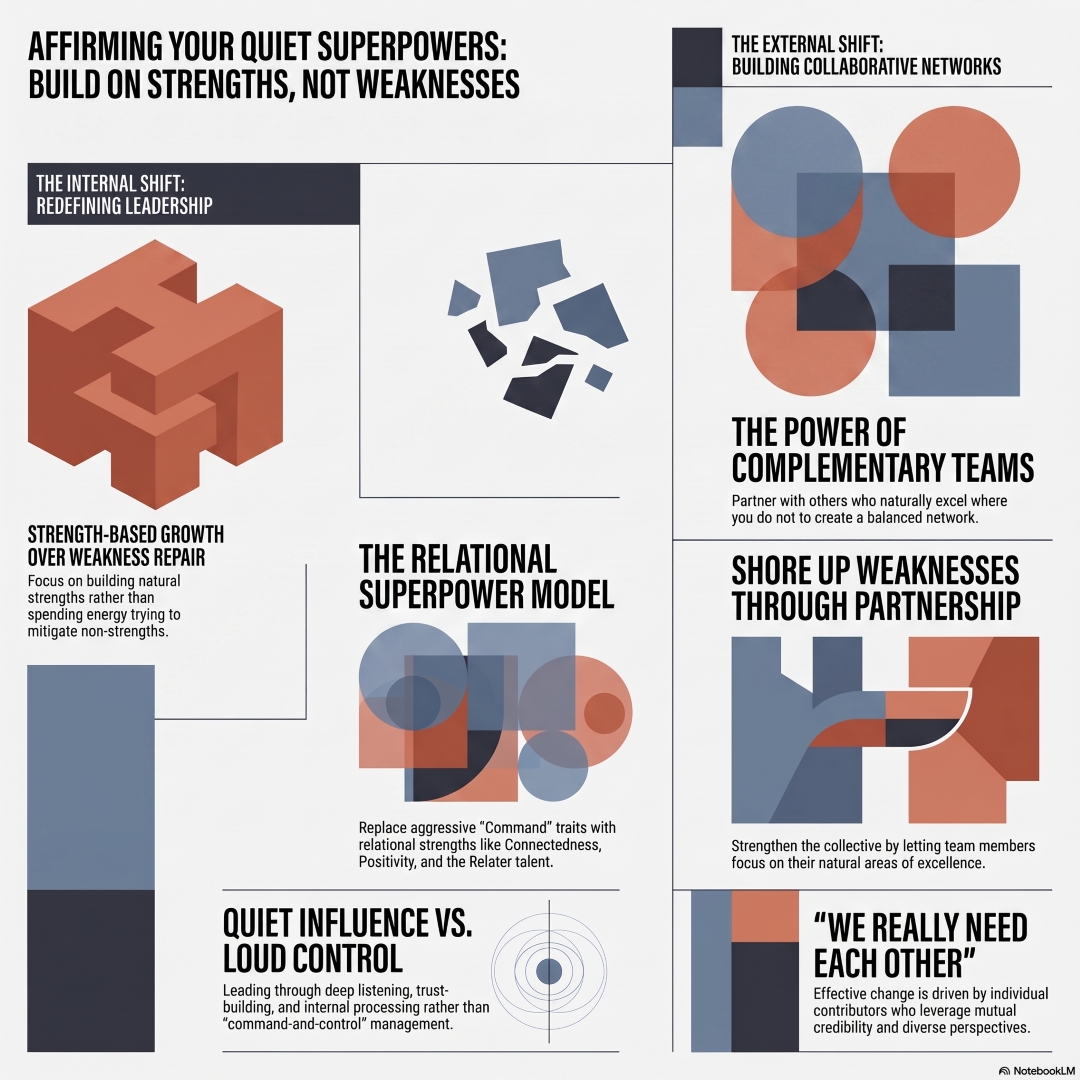
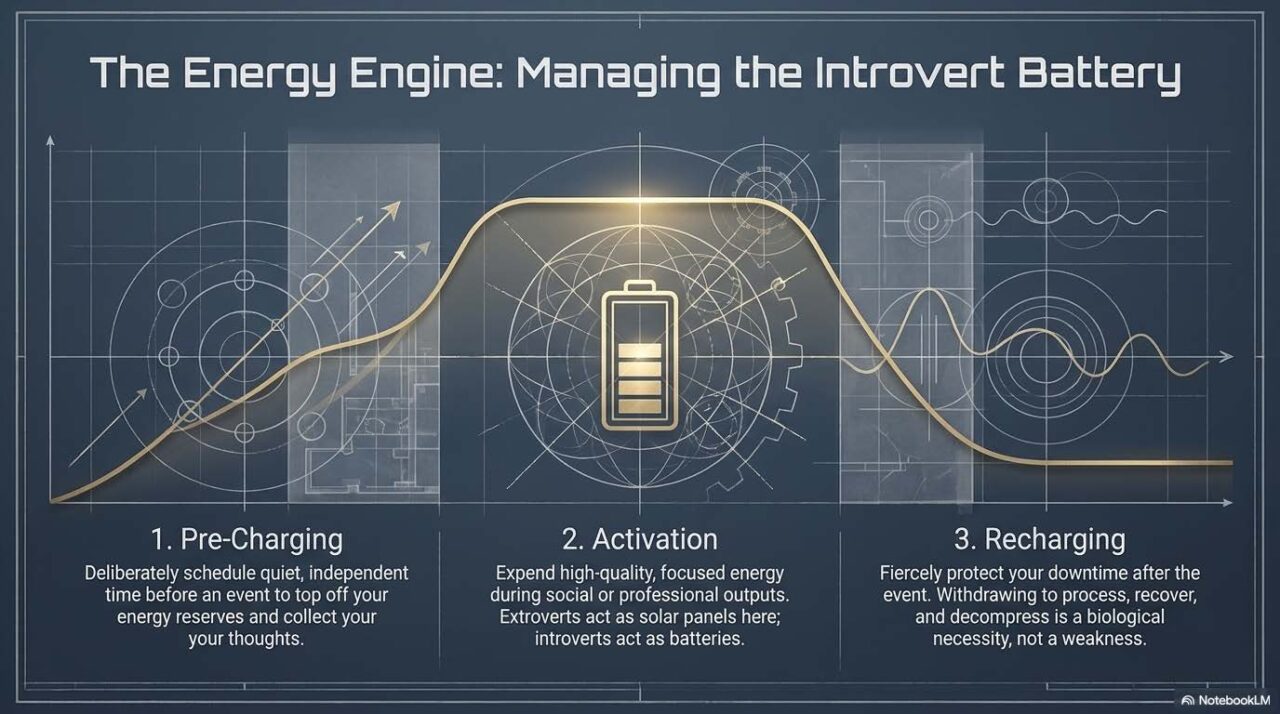
As introverts, we constantly face the underlying pressure to be someone else just to be heard. We’re told to “speak up,” to “command the room,” or to master the art of the humblebrag. But trying to fake a loud, outgoing persona is not only exhausting; it’s unsustainable.
Today, Eeshita is the Senior Director of Cisco Validated Designs. Throughout her upward career trajectory at Cisco—including her years leading marketing teams—she has built a remarkably successful leadership path not by changing who she is, but by leaning heavily into her quiet strengths.
During our conversations on the Hope for the Introvert podcast, she shared how she tackles managing up and building lateral influence without the stress of pretending to be an extrovert. Her approach comes down to three fundamental shifts in mindset and strategy.
1. Shift from Self-Promotion to Education
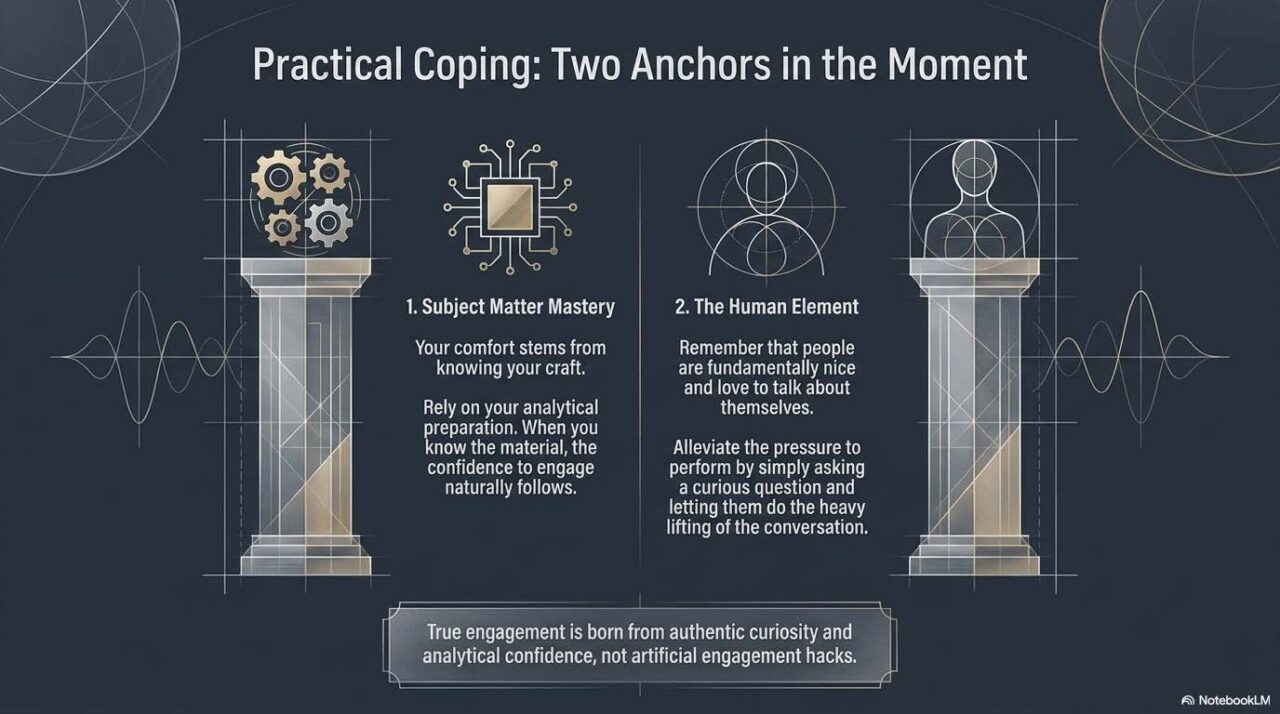
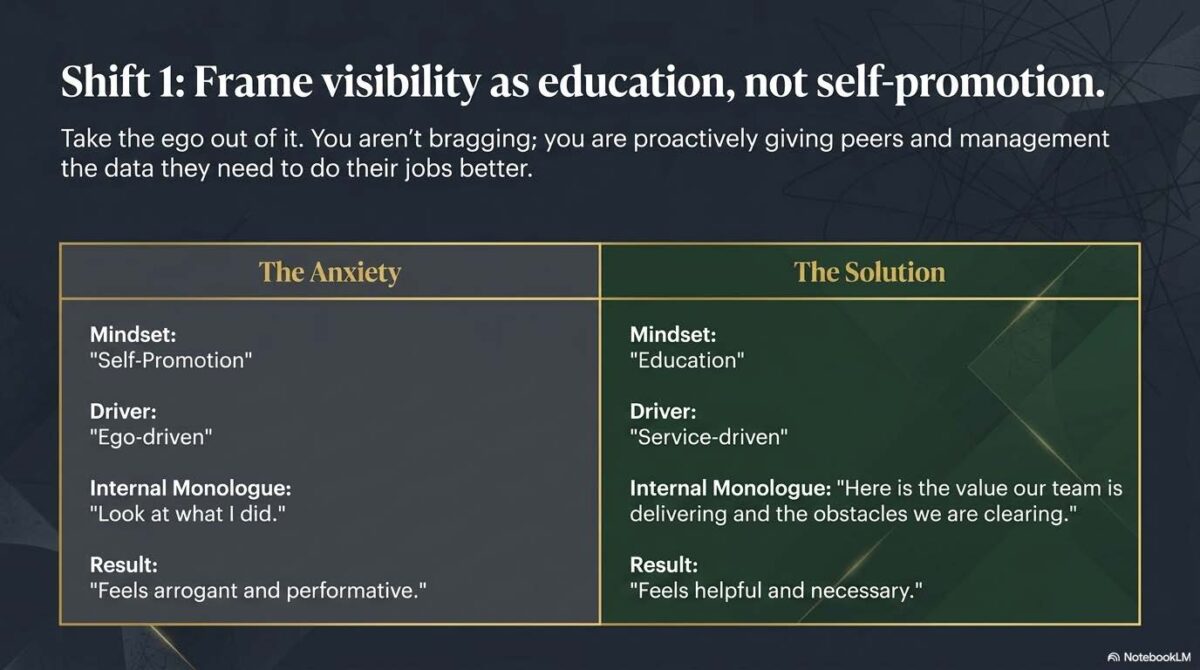
Most introverts loathe self-promotion because it feels deeply unnatural, arrogant, or performative. The trick is to take the ego out of it completely. Instead of thinking, “How do I show off what I did?” frame it as an act of service: “How do I keep people informed?”
When you proactively share what your team is working on, the obstacles you’re solving, and the value being delivered, you aren’t bragging. You are educating your peers and management chain. You’re providing data that helps them do their jobs better.
2. Rely on the One-on-Ones for Managing Up
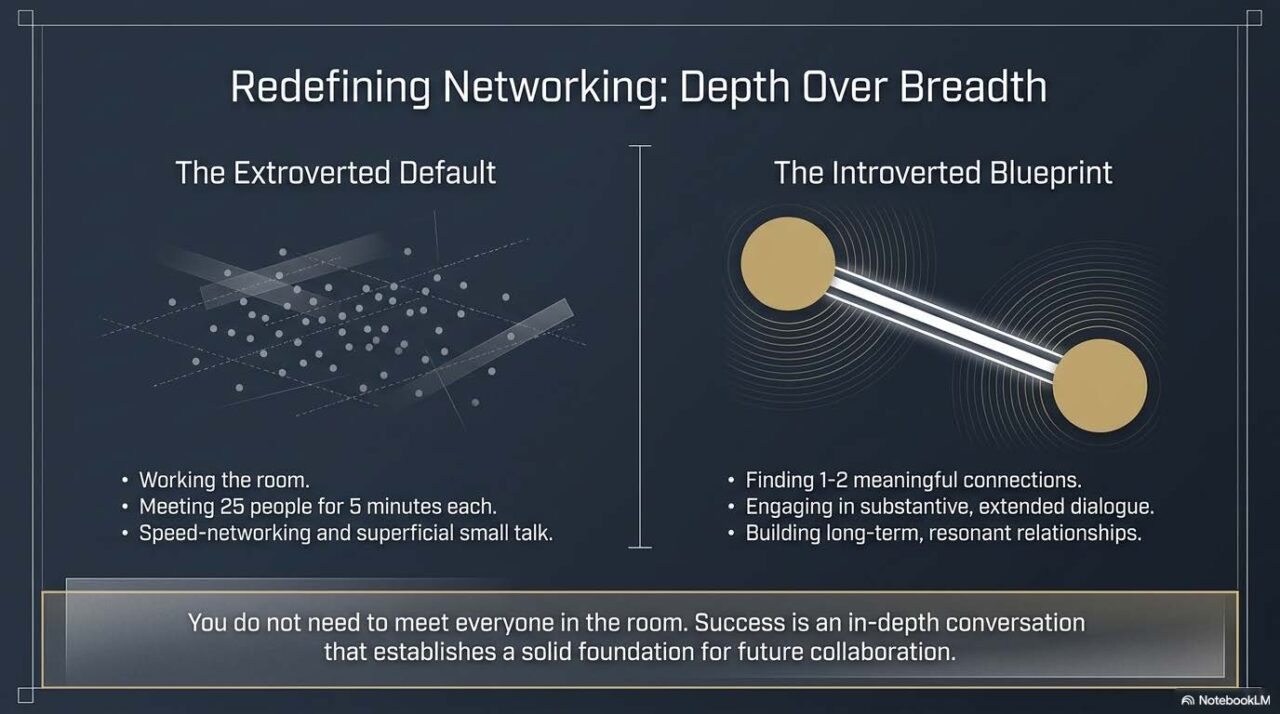
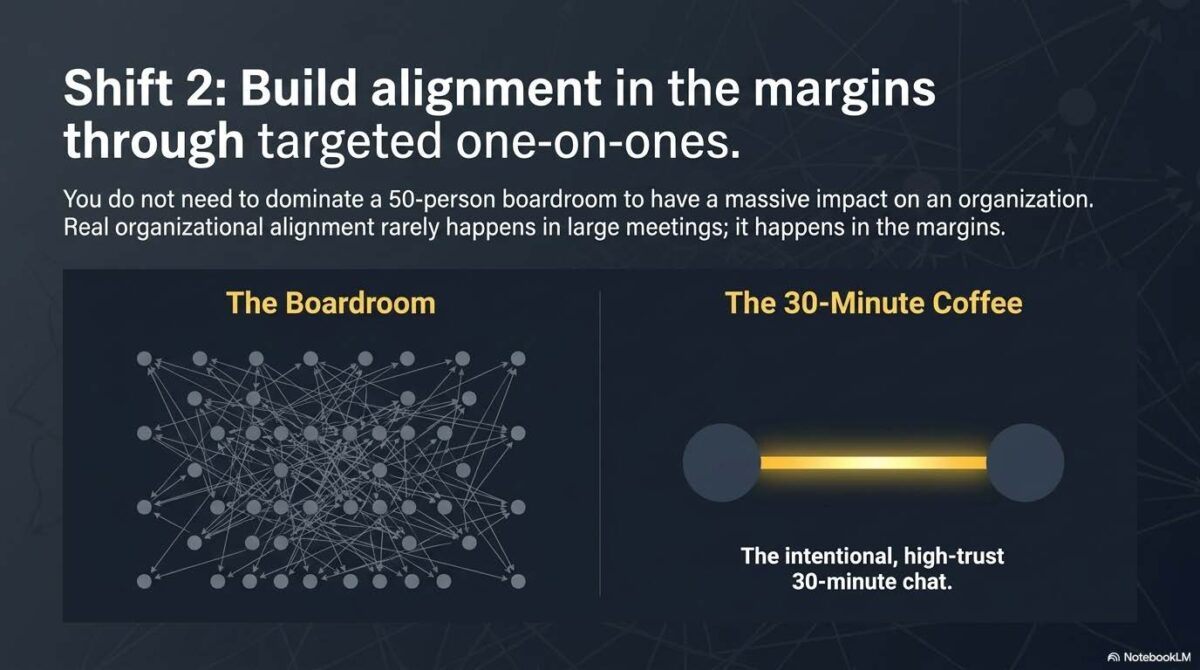
You do not need to dominate a 50-person boardroom to have a massive impact on an organization. In fact, real organizational alignment rarely happens in those big meetings anyway; it happens in the margins.
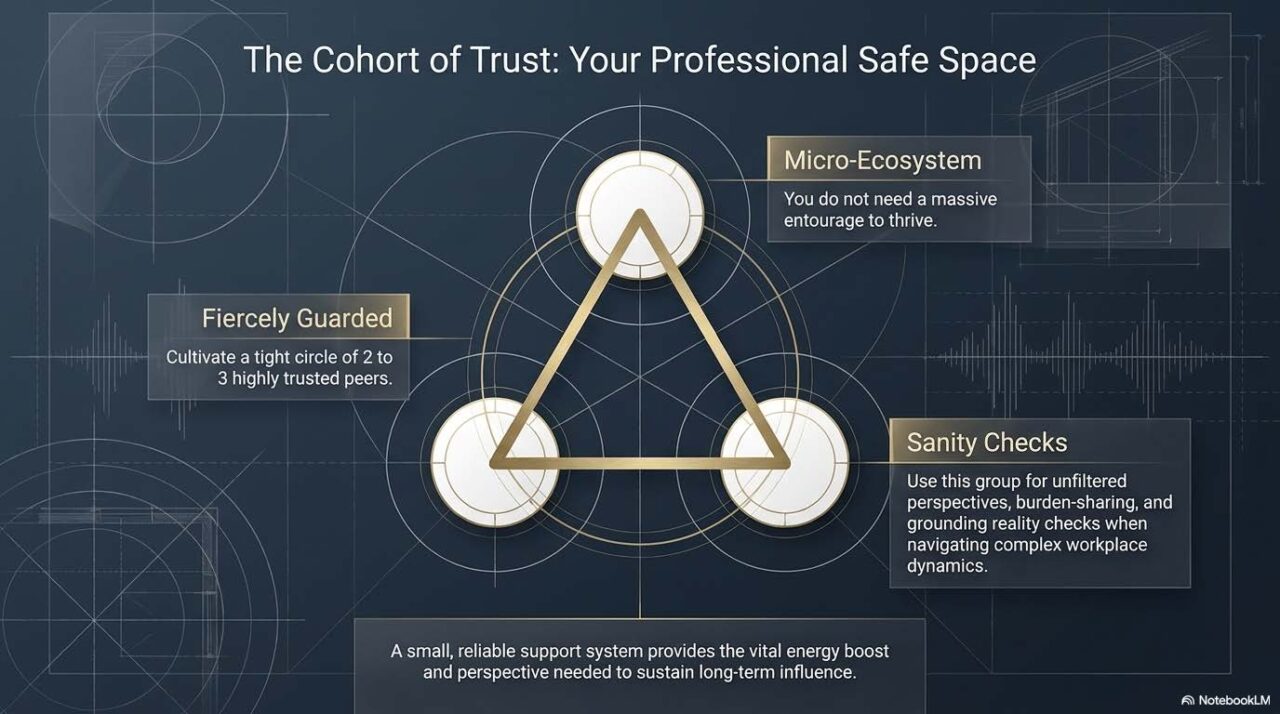
Eeshita’s primary tool for building influence is the quiet, intentional relationship. A brief, 30-minute individual chat or a casual coffee allows you to connect deeply, listen intently, and build high-trust alliances. Lateral influence is built brick by brick, one quiet conversation at a time.
3. Claim the 48-Hour Advantage for Quiet Leadership
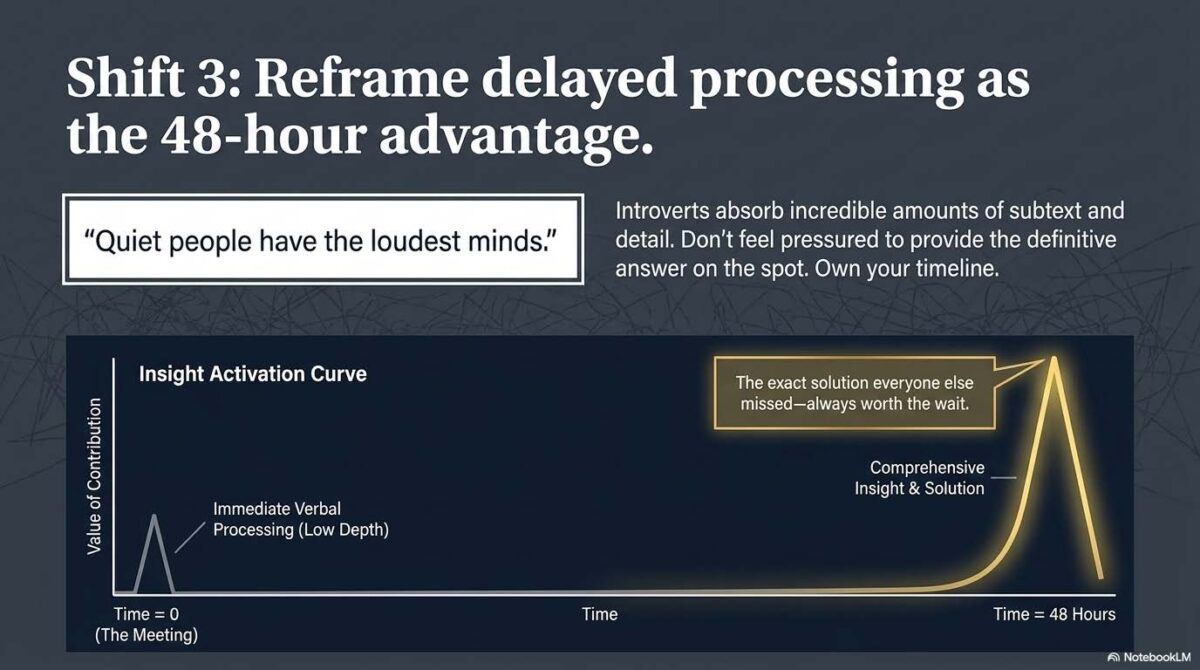
Eeshita used a phrase that stuck with me: “Quiet people have the loudest minds.”
Because introverts are analytical observers, we absorb an incredible amount of detail, subtext, and dynamics during a meeting. The corporate world often rewards the person who speaks first, but immediate verbal processing isn’t our superpower. Our best, most comprehensive insights usually surface about 48 hours after the dust has settled.
Don’t feel pressured to have the definitive answer on the spot. Own your timeline. Sending a thoughtful, deeply considered follow-up email two days later with the exact solution everyone missed is incredibly powerful—and it is always worth the wait.
Leading Authentically Without Faking an Outgoing Persona
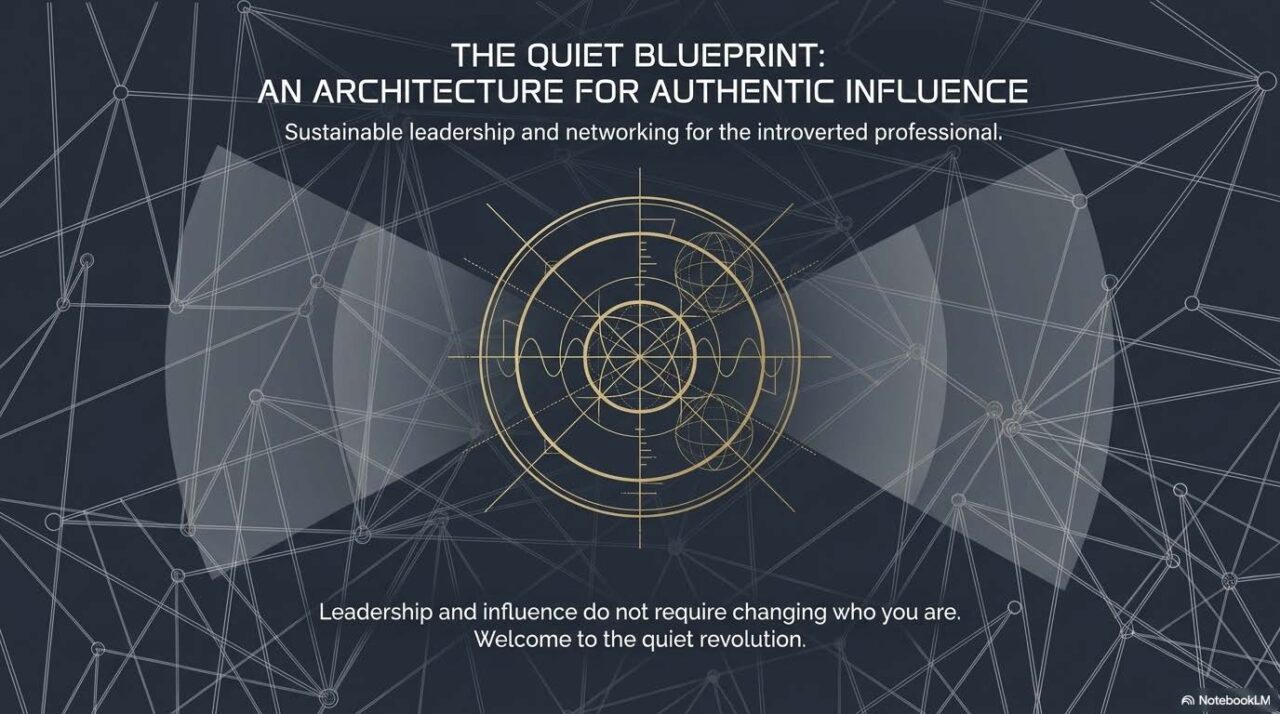
We don’t need to become the loudest voices in the room to lead. True leadership isn’t about volume; it’s about depth, reflection, and empathy.
Master Managing Up at the EDUCAUSE Learning Lab
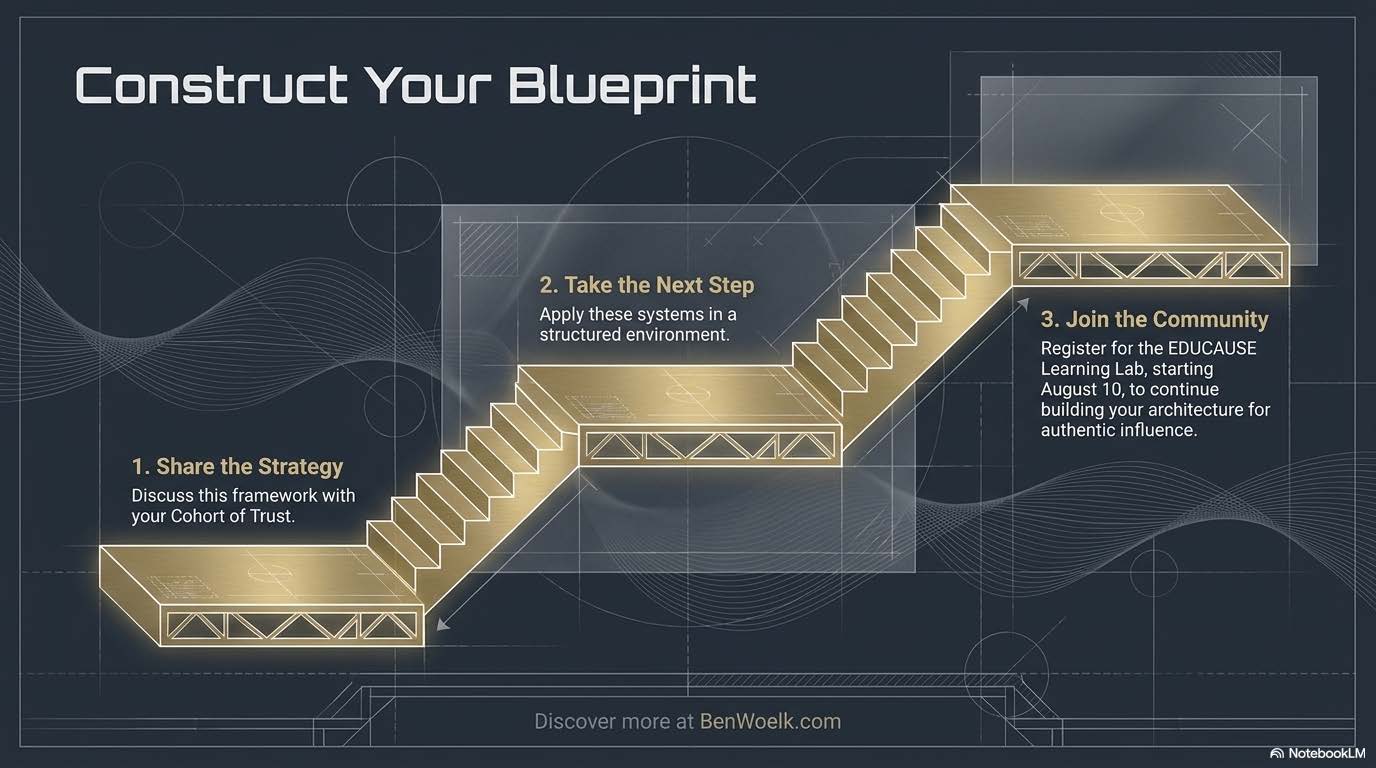
This is exactly what we focus on during our EDUCAUSE Learning Lab: Quiet Leadership: Strategies for Influence and Impact. This online, synchronous lab is designed as a practical space to help you map out your own strategies for communicating value, building networks of trust, and managing up with quiet confidence.
(Note: While we tailor the context to the higher ed and IT landscape, the lab is open to anyone looking to lead authentically—you do not need an EDUCAUSE membership to join).
You can find the links to register for the Learning Lab and listen to my full podcast episodes with Eeshita below.
-
Learning Lab | Quiet Leadership: Strategies for Influence and Impact
-
Episode 031: Eeshita Grover–Getting Out of Your Bubble
-
Episode 032: Eeshita Grover–Leveraging Introvert Strengths