
Category Archives: Leadership

  • 2
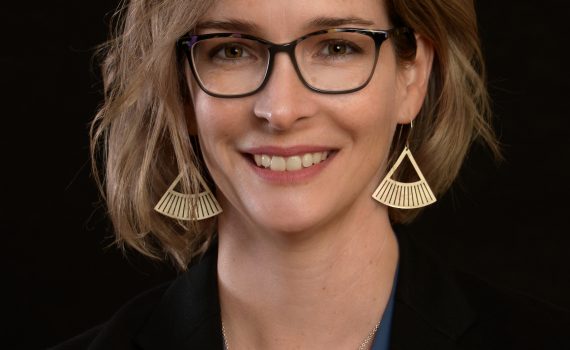
Alisa Bonsignore headshot

Episode 006: Alisa Bonsignore–Growing as a Leader

Category:introversion,Introverted Leadership,Leadership,personality,Podcast,STC

Episode 006 Show Notes: Alisa Bonsignore

Alisa Bonsignore headshotIntroduction

Alisa Bonsignore is the principal of Clarifying Complex Ideas, a strategic communications consultancy in the Bay Area with clients around the world. Alisa Bonsignore and Ben Woelk discuss thought leadership, volunteering, the leadership journey, and career growth.

  • Twitter: @ClearWriter
  • Email: hello@clarifyingcomplexideas.com

Key concepts

  • Thought leadership
  • Volunteering
  • Mentoring
  • Career growth
  • No single path to Leadership

Quotable

Thought leadership can take a lot of different forms. You could be a blogger. You could podcast…. It could be about personal topics that are of interest to you, that help you to just make a connection with the reader somewhere. Maybe you’re a technical communicator by day, but maybe you also have a certification as a wine expert that you write about, and that could be something that a potential client or a potential employer reads about you own is like, “Wow, this person has a level of depth that I didn’t know about!”

I think it’s easy to look at someone that you see as a leader and you think they have always been a leader.

But none of that (career growth) would have happened if I had just sat back and been the quiet one. I had to look for new approaches to my career, where I had to find those alternative leadership opportunities, where I could influence laterally instead of just being placed in a leadership role.

How are you going to prove your worth if you come in the first day doing X, and you leave five years later, still doing exactly the same thing? You need to grow and develop and learn things as you go….  And I think it just takes a little bit of time and a little bit of patience, because you can’t expect (that) you’re going to take a slightly new role or take on a project and it’s going to change your life radically overnight. It’s a gradual process that builds over time as you are exposed to more and more.

Whatever your path is and whatever you might be thinking and whatever you’re stressing about, there is no right or wrong way. There is no one path. You just have to find the thing that works for you.

Resources or Products Mentioned in this Episode

Links

Transcript

Ben: We’re continuing our conversation with Alisa Bonsignore. Today we’re going to talk about her role as an influencer or as a leader. Alisa, can you talk to us a little bit about in what roles you’re an influencer or a leader and what that’s like for you?

Alisa: Sure. We’ve already talked previously about speaking, which obviously is a leadership thing in its own right, but I think for a lot of people, speaking ties in very closely with teaching. Some people will do it in a classroom. Some people will do it more in terms of conferences or annual speaking engagements, which is really a form of thought leadership. I’d like to think that people were coming to hear me talk because they liked my ideas, and that there is something useful that I have to say.

Alisa: And thought leadership can take a lot of different forms. You could be a blogger. You could podcast. Here’s an example! You could write a book, you could contribute are articles to Intercom. (We’re always looking for articles in Intercom, but it doesn’t even have to be limited to professional topics. ) It could be about personal topics that are of interest to you, that help you to just make a connection with the reader somewhere. Maybe you’re a technical communicator by day, but maybe you also have a certification as a wine expert that you write about, and that could be something that a potential client or a potential employer reads about you and is like, “Wow, this person has a level of depth that I didn’t know about. This is very interesting. I want to know more about them.”

[bctt tweet=”Thought leadership can take a lot of different forms. You could be a blogger. You could podcast…. It could be about personal topics that are of interest to you, that help you to just make a connection with the reader somewhere. @clearwriter” username=”hopeintrovert”]

Alisa: Mentoring is a great opportunity for guiding others. I’ve tried to mentor some people throughout the course of my career. I’ve been mentored by some wonderful people. I think that’s a really great way to influence and give back, but volunteering–as we’re both on the board of directors for STC.–volunteering is a large role in my life. But, you don’t have to be again, in a professional capacity. It doesn’t have to be for a professional society. You could be a volunteer at your local community park. You could be a volunteer for the soup kitchen. I mean, whatever it may be, something that helps you to be seen as a leader in a way that you might not be seen in your day-to-day professional work.

Ben: Yeah, I think that’s a really interesting point and an important point, because in my professional capacity working in higher education, there isn’t really a career path in the area that I’m in. I’m a program manager in the information security office. I’m responsible for awareness and training. I manage a lot of the initiatives we do, but my step up is to be an information security officer, and that’s a far different role, and that role has a lot to do with incident handling which can come in at any hour of the day or night. So there’s some real–maybe some pluses–but there’s some minuses with it as well.

Ben: So I think that whole idea of finding leadership opportunities outside of your immediate workplace is really, really important. If I had only pursued what I could pursue within RIT, I wouldn’t be doing this podcast. I wouldn’t have run for president of an STC local chapter. I wouldn’t have run for the Board. I would probably not have been able to get engaged in mentoring relationships. My other leadership opportunities again, are through Educause, which is another nonprofit organization, where I’ve led one of their working groups, and I present regularly at their conferences, and I’ve–they’ve even thought some of what I’ve said has been thought-worthy–I’ve been asked to participate in podcasts about things that we’re doing here at RIT. But again, there are things that I was able to start, so I think understanding that your leadership path and your influence path is both within and outside your workplace is really important.

Alisa: Yeah, and especially as an independent. I don’t have a career path per se. I mean?what am I going– I’m the only one in my company–What am I going to be? I’m going to be the president. Oh, I am the president. Okay. Well, I’m also the writer. I’m also the administrator. I’m also the ITperson. I’m also–There’s no growth path here. I can change my clients. I can change the focus of my work, but it’s not like you’re going to see a progression in title or anything like that, so my leadership approaches have to be different. They have to come from a different place than in your standard “rising through the ranks” type of leadership.

Ben: So another thing about leadership that we’ve talked about, and we can pick it up in a couple of things, but one thing that you’ve mentioned to me in conversations in the past is that leadership is a journey. When we see leaders around, it can be, “How did they get to that point?” or, “They’ve always been that kind of person.” I know for me personally, my leadership path probably started many years ago, that I’m not really aware of, but it didn’t really start actively until about eight years ago. What have you found in terms of what you observe with others around leadership paths? What has yours been like and what recommendations would you have for introverts especially who want to become influencers or leaders?

Alisa: Well, I think it’s easy to look at someone that you see as a leader and you think they have always been a leader, right? You–you assume that these were the people who were the class president in high school. They think they’ve just always been in that leadership role and I was never that person. That wasn’t my personality. That wasn’t who I was. I didn’t really meet you. Look back on my career, I–it’s worked out beautifully and people say, well how did you put all this together? How did you have this plan? And I’m like, “Yeah, I had a plan. Right. Okay.” Because I had started out in healthcare years ago, like 20 plus years ago, and then when we moved to California it was during the first dotcom boom and there was no healthcare work to be had. It was all tech. I didn’t know anything about tech. I’d never done anything in tech in my life, but it didn’t matter, because there was such a shortage of available personnel that I got hired at a dotcom, because I had a pulse, basically. [laughing]

[bctt tweet=”I think it’s easy to look at someone that you see as a leader and you think they have always been a leader. @clearwriter” username=”hopeintrovert”]

Alisa: I mean that was the only job requirement, so I ended up going from doing taxonomy and content at a startup which were a couple of network security companies. And broadening my horizons there on topics that I knew nothing about a few years earlier; and then ultimately getting back into healthcare, which is where I wanted to be in the first place, but, having the opportunity to get back into healthcare. But then that’s all dovetailed over the years to be Healthcare IT–all of the security, all of the security concerns surrounding HIPAA, surrounding personal health information, and people go, “Wow, it’s so amazing that you’ve planned your career this way, so that you find yourself in this healthcare IT arena.” And I’m like, “I planned that. Absolutely,!” [laughing]

Ben: And it’s interesting because 20 years ago some of these things didn’t even exist.

Alisa: Well, exactly. And it all seems like a series of seemingly random choices at the time. Right? When I was first graduating from college, I wouldn’t have imagined that some day I’d have my own business and be serving on a board of directors. I mean, who would’ve thought that? I-I wouldn’t have guessed that I’d have multiple international clients in Europe, or that I would have speaking engagements a few times a year, both domestically and internationally. But none of that would have happened if I’d just sat back and been the quiet one. I had to look for new approaches to my career, where I had to find those alternative leadership opportunities, where I could influence sort of laterally instead of just being placed in a leadership role. But it was more of the types of things like project management where I was influencing across groups and building consensus, and all things that work with my personality, but not necessarily things that I would have known about or would have sought in my natural tendencies.

[bctt tweet=”But none of that (career growth) would have happened if I had just sat back and been the quiet one. I had to look for new approaches to my career, where I had to find those alternative leadership opportunities, where I could influence laterally instead of just being placed in a leadership role.” username=”hopeintrovert”]

Ben: Let’s say I’m a new practitioner. I’ve been a technical writer for a couple of years, or I’ve been a security person, or I’ve been in any kind of industry. It’s not really just confined to these industries. What advice would you have for me in terms of becoming an influencer? Becoming a leader? Is it important for me to become an influencer? Is it important for me to become a leader. How would I go about that?

Alisa: Well, I think it is important in terms of wanting to get some more visibility for yourself. I mean how, how are you going to, for, for lack of better explanation, sell yourself within the company? How are you going to prove your worth if you come in the first day doing X, and you leave five years later, still doing exactly the same thing? You need to grow and develop and learn things as you go, and in the process, you get exposed to a lot of different things. And so I think the part of the thing that you need to do when you’re young and that I did without realizing it, was taking on opportunities that were a little uncomfortable. That didn’t feel like they might’ve been a natural fit for me, because I only saw sort of what they were on the surface. But that really worked well with my personality type, because, as I said, project management–it may not be the thing that I want to do all day every day.

[bctt tweet=”How are you going to prove your worth if you come in the first day doing X, and you leave five years later, still doing exactly the same thing? You need to grow and develop and learn things as you go….@clearwriter” username=”hopeintrovert”]

Alisa: But the skills that I learned in some of the more project management type roles that I did, have had a tremendous impact on what I do as an independent, and how I manage my projects, and how I manage clients, and how I balance work, and how I understand how the flow goes, and building consensus across groups and across language barriers, even. There’s a huge difference there from where I was 20 years ago to where I am now. And I think it just takes a little bit of time and a little bit of patience, because you can’t expect these things are going to–you’re going to take a slightly new role or take on a project and it’s going to change your life radically overnight. It’s a gradual process that builds over time as you are exposed to more and more.

Ben: I found that was the case for me as well. There are times I’d say, “Well, why couldn’t I have been doing this 10 years ago?” Or, “why didn’t I think…

Alisa: Right, because you weren’t in this place at the time.

Ben: I could not have done that because it’s that sum total of everything that has come up to this point in time that’s enabled me to actually do these things, and also even has provided the interest. Twenty years ago I didn’t think about personality types or temperaments or introverts or extroverts or even leadership at all. As I mentioned, the leadership progression for me is fairly new, but I found that I’ve become really passionate about it and passionate about helping other people become leaders, especially introverts, who often feel like there’s no place for them. So it’s really interesting the way–as you’ve put it–it’s all of these things that have come together to enable us to take these next steps. The other thing I thought that you said that was really important, was being willing to take steps that are outside of our comfort zone.

Alisa: Yeah, and it’s–I mean it’s so easy to say, “Well, I was this at my last company and I’ll continue to be–I’ll look for the same role in my next company,” or under the new management re-org or whatever it may be, but stretch a little. It’s good for you! Even if you decide that’s not the thing for me, I want to go back to what I was doing. You’re still taking the skills that you learned and bringing them back and it’ll make you better at what you were.

Ben: Anything else that you would like to pass on to our listeners?

Alisa: I think you just need to know that whatever your path is and whatever you might be thinking and whatever you’re stressing about, there is no right or wrong way. There is no one path. You just have to find the thing that works for you.

[bctt tweet=”Whatever your path is and whatever you might be thinking and whatever you’re stressing about, there is no right or wrong way. There is no one path. You just have to find the thing that works for you. @clearwriter” username=”hopeintrovert”]

Ben: Great, so I think that’s wisdom and I thank you so much for sharing it with us. Thanks Alisa for sharing your thoughts today. We look forward to having you join us for another podcast in the future.

Alisa: Thanks, Ben. It’s been good to be here.

Extras

Alisa has a Twitter bot that is sometimes hysterical. https://twitter.com/alisa_ebooks
 

Become a Patron!


  • 1
Alisa Bonsignore headshot

Episode 005: Alisa Bonsignore–Public Speaker

Category:Introverted Leadership,Leadership,personality,Podcast,STC,Summit

Episode 005 Show Notes: Alisa Bonsignore

Introduction

Alisa Bonsignore is the principal of Clarifying Complex Ideas, a strategic communications consultancy in the Bay Area with clients around the world. Alisa Bonsignore and Ben Woelk discuss public speaking and the stress and value of Q&A, and how being an introvert with the INFJ temperament type affects her roles.

  • Twitter: @ClearWriter
  • Email: hello@clarifyingcomplexideas.com

Key concepts

  • Keirsey Temperament Theory
  • Public speaking and stress
  • Empathy
  • Situations and scenarios
  • Counseling

Quotable

As an adult, you associate public speaking with your experience as a student, and when you’re a student, you’re up there and somebody is grading you and they’re looking for ways you’re doing it wrong.

They’re in your talk for a reason, and they’re not there to criticize you or to grade you or to challenge you. They’re there because you have something that they want to learn about and when you shift that mindset that you have something valuable to say, it really changes your perspective on speaking.

Instead of listening to the surface, I understand the subtext of things a lot better, which is incredibly helpful with getting to the real problem instead of just painting over the problem that seems to be at the surface.

What brings the consensus here… is that we could do this other thing and that would solve everybody’s problems. And people go, “Oh, well, I was so wedded to my idea… that it never occurred to me that there was another option.” …It’s a lot like counseling, actually–family counseling–family counseling for groups and teams. .

Resources or Products Mentioned in this Episode

Links

Transcript

Ben: Joining us today is Alisa Bonsignore. Alisa runs Clarifying Complex Ideas, a strategic communications consultancy in the Bay Area. Her professional mission is to create clarity and build engagement, giving people the information they need when they need it. Alisa helps companies communicate complicated topics, including policy development and sustainability communications surrounding the UN sustainable development goals (SDG), medical devices and pharmaceuticals/genomics, network security, and healthcare information technology. You can contact Alisa at hello@clarifyingcomplexideas.com or on Twitter @Clearwriter.

Ben: Thank you for joining us again, Alisa. I look forward to us continuing our conversation!

Ben: One thing that Alisa and I have talked about previously is where we stand on Keirsey Temperament theory and where our MBTI letters come out, and Alisa is an INFJ, which is typically a counselor-type role. She’s very cognizant of the people issues that are going on. I’m an INTJ, which can be described as architect or scientist, or the one I really like, mastermind, but the problem with that is that I’m not always attuned to what’s going on with the people. And one of the ways this has been described is that, say that you’re on an ocean liner and the engine breaks down. As the INTJ, I would be down in the engine room–assuming I had any of those mechanical skills–I would be down in the engine room trying to figure out how to get it started. Alisa would be busy making sure that the people got off the ship, so there’s definitely a focus difference in terms of this rational versus idealist-type traits, the way that Keirsey puts it. And I think that this is an example then because I don’t necessarily tend to think of what were the motivations? Why was this person saying this? Sometimes I do, but probably not nearly as often as I should.

Alisa: And see, that’s a huge thing for me because it’s a huge part of figuring out when people contact me and say, “I need you to do this urgent project and here’s my rationale for why,” I can usually by the time I’ve talked it through with them, figure out you’re saying on the surface that it’s because of this, but really, the pressure’s coming from another source and let’s talk a little bit more about that. Maybe this isn’t actually what you need. You need a solution to this other problem that you think is this item, but actually your problem could be fixed with a different approach.

Ben: Alisa, one thing that I’ve had conversations with other guests on this podcast is presenting. Now, all of us that have talked so far on the podcast have been introverts. All of us present fairly often, but when we talk to people who–whether they’re extrovert or introvert, many people are totally intimidated by the idea of speaking in front of groups. What is your experience been speaking in front of groups? How did you get started? What have you found that’s helpful, and any interesting anecdotes that you could share?

Alisa: [laughing] So I actually started–my presentation life was doing a lot of sales training for different clients or different in-house companies that I worked for–so it was working with select groups on select topics, but what I realized pretty early on, is that as an adult, you-you associate public speaking with your experience as a student, and when you’re a student, you’re up there and somebody is grading you and they’re looking for ways you’re doing it wrong. Right? So when I was in high school at one point I had to recite Hamlet’s monologue–the “To be or not to be,” right? And of course my teacher’s sitting there listening to make sure that I get every word exactly right. There’s a different level of pressure there when you’re trying to make sure that you have memorized exactly every word in exactly the right order to communicate what you need to do to get the grade.

Alisa: By the time you’re an adult, nobody’s grading you, and you don’t realize this right away [laughing]–what you’re up there doing–you have a purpose up there. You’re up there telling people something that they actually want to hear–especially if you’re speaking at a conference. I mean, maybe not at a sales meeting–they might just have rolled in because they have to roll in and listen to you–but at a conference especially, there are other choices. These people could be at another session. They could be out having coffee with a friend. They could be blowing off the conference entirely and boondoggling with their employer. Who knows, right? But they’re in your talk for a reason, and they’re not there to criticize you or to grade you or to challenge you. They’re there because you have something that they want to learn about and when you shift that mindset that you have something valuable to say, it really changes your perspective on speaking.

Alisa: Now, having said that, that’s not to say that it’s not stressful in its own way. I like to approach every talk as if it’s a conversation, so I pick a couple of people in the room that I can sort of speak to and feel like I’m having a conversation with. I can make eye contact with them. I can communicate with them directly rather than feeling like I’m just talking to a large, faceless group. That definitely helps. But, in spite of that, I’ve also discovered that I still get a little bit stressed about the whole thing. Even though on the surface everything seems calm, I still get a little stressed. So it happened to be that one day I was giving a talk at a local STC chapter, and earlier that day I had gone in for a routine appointment with my cardiologist, and because I hadn’t had a Holter monitor–the portable monitor–in several years, they wanted to do just a follow-up check to make sure everything’s the same, blah, blah blah.

Alisa: So I ended up going to my talk completely rigged up–wires everywhere–this apparatus hanging from my belt. I-I look like a crazy person and I’ve tried to like pull my sweater up over my neck. Right? But nobody knows that I’ve got this on, hopefully. But, here I am. I’m fully rigged up like a patient. Right? And so I go through the whole talk and everything seemed fine and I’m really good through the part that I have rehearsed and practiced, whatever. And then we get to the Q&A [laughing], and later when the doctor called back and was like, “Um, so about what were you doing at this time?” I’m like, “Oh, that was the question and answer portion of my conversation.” [laughing] Literally, my heart rate had gone above my target heart rate for like running sprints. It was just completely through the roof.

Alisa: And I–I didn’t–I mean I know that there’s a little bit of anxiety there, but I had no idea that it was really like above 180 beats per minute. [laughing] This is some serious stress here! But, this also explains why I feel so exhausted when it’s all done. I put all of my energy into this, but you can only script so much of it and then–then you’re let loose with the Q&A and the conversation, and you don’t know what’s going to happen. [laughing] So apparently that, that unnerves me a little bit, a little bit more than I realized.

Ben: Yeah, that is such a funny anecdote and you said you were aware that you were a little stressed, but you–I guess you didn’t have any idea how much until you actually saw it measured.

Alisa: No, no. You get that sort of, [inhaling] okay, what’s this person going to ask me? There’s a little bit of nerves there, but I had no idea it was that level of cardiac response! [laughing]

Ben: So, I guess one solution would be not to leave any time for questions and answers at the end of a presentation…

Alisa: Yeah, but the Q&A is actually the best part. I mean this is where you have really good conversations with people and once–once I’m into–once they’ve asked me the question, and I–we’re having that conversation, the one-on-one. It’s great, but there’s that moment before they begin where it’s like, [inhaling] “Ooh, what are they going to say? [laughing] I don’t know if I’m prepared. Will I have an answer?” There’s nerves there more so than I had imagined.

Ben: That’s amazing. It’s such a good story.

Ben: Another question for you here–part of what we’re doing during the series, during the Hope for the Introvert podcasts, is talking about our biggest strengths and how we leverage them, and also the biggest challenges we face. What do you believe your biggest strengths are as an introvert? And in what ways do you see that you’ve leveraged them?

Alisa: So as you were saying earlier about my feeler status, right? I’m the empath. I feel what people are needing and experiencing. I think that I have leveraged my ability to understand people’s motives. I think that that’s really gone a long way from like, instead of listening to the surface, I understand the subtext of things a lot better, which is incredibly helpful with getting to the real problem instead of just painting over the problem that seems to be at the surface. But I think for me–right, but it’s also because I’m a good listener. It’s the fact that I’m not always the one talking. I mean, you watch the extroverts in the meetings, right? They’re not getting the feedback. They’re always pushing information out. They’re always talking. And if you’re always talking, you’re probably not listening. So, from my perspective, I’m the one who’s listening to everybody and generally not talking, so I’m not only hearing, I’m watching the nuance that’s going on and how people are responding to each other and how the dynamic is going in addition to the actual words that are being said, and the emotion that’s being conveyed or whatever it might be going on in the room. So I’m good for that.

Alisa: I’m good at identifying customers’ pain points because I can feel the pain. It’s the empathy thing, right?” But I can understand in context, if we’re writing documentation for–let’s say that my client is selling the ventilators to assist with breathing in the hospital, right? Well, if we’re writing one kind of documentation for the initial setup, that’s one thing, because you’ve got somebody who rolls in in the middle of the day in a normal situation and plugs it in and tests it and sees that it’s working, and whatever. But it’s a very different thing, if you’re trying to do a troubleshooting document, because it could be three in the morning. You could have a natural disaster or a terrorist attack, a whatever, a ton of people coming in. You’re triaging people. You need to get the ventilator working. It’s not working. How does this work? Oh my God, you’re not at your peak of attention or focus or clarity. How do you find a clear and easy way to help this person get the device back online? Right?

Alisa: So understanding the situations and the scenarios and how to make–how to create the best tools for people in their various situations–I’m pretty good at that. I’m pretty good at understanding where we need to simplify, where we need more detail, that kind of thing. But, and I think from a client perspective, my J of my INFJ is Judging, which means that I’m task oriented and I haven’t missed a deadline in my life. [laughing] That’s just not something I do. So as an independent, this is incredibly useful to my clients because I’m very reliable. They know that not only will I meet the deadline, I’ll probably have it in early, and one of my clients once said to me, you know, you return everything early. I know that if you ever miss a deadline, you’re probably dead. [laughing]

Ben: Hmm. It’s interesting and part of being that individual contributor, working with the clients, sometimes you can set deadlines that are realistic in that you can–you can achieve those deadlines or you can turn things in in advance of those deadlines. So that can be a really big deal.

Ben: One other thing that you had said in terms of being a very, very good listener. One thing that’s important there I think, and we’re talking about the extrovert-introvert difference here, and I don’t want to paint extroverts with too broad a brush, but there is often a case where people are waiting to say what they want to say and so they’re just waiting for the other person to finish, so they can jump in with what they wanted to contribute, and I think what I’m hearing from you is that you’re more willing to sit back, let the conversation happen, and then bring up pertinent points when appropriate, rather than, “Oh, oh, oh! I know what I want to say here. Please finish up talking so I can say what I want to say.” So I think that’s one of the big differences, and again, I would not accuse all extroverts of doing that, nor would I say that I’m never guilty of that myself.

Alisa: No, no. But there are definitely people who–introvert or extrovert–there are definitely people whose meeting persona is more dominant and people whose meeting persona is more reserved, and I’m definitely one of the more reserved people, because–I am just not by my nature–I’m just not the person who gets into the thick of things in a large group, inasmuch as, “Okay. So we’ve been talking about this for half an hour. You’ve said this, you’ve said this, you’ve said this.” What brings the consensus here is that what we could do is that we could do this other thing and that would solve everybody’s problems. And people go, “Oh, well, I was so wedded to my idea and I was so wedded to my idea that it never occurred to me that there was another option.” Right? So yeah, it’s a lot like counseling, actually. Family counseling, family counseling for groups and teams. [laughing]

Ben: Which gets into your whole INFJ counselor temperament type again.

Alisa: Right, exactly!

Ben: We’ve enjoyed today’s conversation and look forward to continuing the conversation in our next podcast.

Extras

Alisa has a Twitter bot that is sometimes hysterical. https://twitter.com/alisa_ebooks

Animated .GIF of Alisa as a speaker


Become a Patron!


  • 1
microphone

Introverted Leadership and Cyber Security Speaking Schedule Fall 2018

Category:Information Security,Introverted Leadership,Leadership,Lessons Learned,Schedule

Speaking Schedule

I’m very excited about my fall 2018 speaking schedule. I’ll be a first-time attendee and speaker at two conferences, one of which I’m keynoting. (This will be my first time speaking in the United Kingdom!)

I hope to see you there!

Don’t forget to listen to the Hope for the Introvert podcast!


Date Event Topic Format More information
28 August North Texas Lone Star Chapter STC Lessons Learned on an Introvert’s Journey to Leadership Webinar Recording to come
25 September Technical Communication UK Temperament-based Strategies for Excelling in the Workplace Workshop De Vere Staverton Estate, Daventry, England
26 September Technical Communication UK Lessons Learned on an Introvert’s Journey to Leadership Keynote De Vere Staverton Estate, Daventry, England
26 September Technical Communication UK Digital Self Defense – Tips, Tools, and Best Practices to Stay Safe Online Presentation De Vere Staverton Estate, Daventry, England
4 October The NYSERNet Conference 2018 Creating a Culture of Digital Self Defense Presentation Marriott Syracuse Downtown
24 October Society for Technical Communication The Introvert in the Workplace: Becoming an Influencer and Leader Webinar Free members-only webinar
26 October STC-Philadelphia Metro Chapter Introverted Leadership: Harnessing your Innate Strengths Webinar STC-PMC webinar
14 November STC Instructional Design and Learning SIG Saying, “Yes, and…?” to Leadership Opportunities Webinar Registration available to all

  • 3
Joanna Grama headshot

Episode 003: Joanna Grama–Leader and Influencer

Category:EDUCAUSE,Higher Education,Information Security,Introverted Leadership,Leadership,Podcast

Episode 003 Show Notes: Joanna Grama

Introduction

Joanna Grama headshotJoanna Grama is a senior consultant for Vantage Technology Consulting Group where she specializes in advising clients on information security, privacy, and risk management issues. In our second discussion on the podcast, Joanna Grama and Ben Woelk discuss how meetings can be challenging for introverts, and how she’s become a leader and influencer.

Key concepts

  • Meetings
  • The slow thinker
  • Processing internally
  • Win-win scenarios
  • Connecting and investing
  • The five Cs
  • Don’t be a jerk!

Quotable

I’m just doing my job. I’m just trying to get through the day, and–and you know–leave as little drama as possible in my wake. But maybe that’s being a quiet leader.

We all have moments in the office or in our professional lives where we’re really not proud of our behavior, whether it’s the language we used, the tone we used, our facial expressions and our body language. I mean, we all have those moments, but it’s just, it’s really important to try not to be a jerk. That goes a long way towards getting along with people.

You have to challenge yourself everyday, and it sounds trite to say that, but if I didn’t have mentors pushing me and saying you’re great and you can be even better, and forcing me to do uncomfortable things, I wouldn’t be where I am today!

Resources or Products Mentioned in this Episode

Links

Transcript

Ben: Joining us again is Joanna Grama. Today we’re going to finish up our conversation that we started in our last podcast about her experience as an introverted leader and the thoughts that she has to share with us.

Ben: So, one of the things that you and I had talked about in previous conversations is meetings. And I had–I’ve mentioned this in another podcast, but I had an individual in one of my workshops who talked about his meeting performance and, much like you said, somebody told you that you needed to overcome this anxiety about public speaking and do well at it. He had a situation where his manager said he needed to perform better in meetings, and I know what he did to solve it. He talked to his manager and arranged to meet with that manager ahead of time, so he’d have a preview of what was on the agenda and that helped him.

Ben: What has your experience been like with meetings as an introvert and what have you found has been helpful or maybe not helpful?

Joanna: Yeah. Meetings can be a really tough scenario for introverts even when you are 100 percent engaged in the meeting. So I–similar to the other person that you talked to–I had a supervisor once who commented in front of a group of my peers that I was a slow thinker in meetings. And it really sort of–and this sounds strange–but it really hurt my feelings. Not because it was true or it wasn’t true, because it is true, but because of the negative connotation that I associated with the comment. I am a slow thinker. I do like to think about issues and ru(minate) them over in my mind before deciding on a course of action or making plans or something. That’s just being thoughtful, and being that type of thoughtful cautious decider is something that is so ingrained in who I am as an attorney, as an information security professional, as a parent, as a person.

Joanna: But, on the other hand, there are times when, as a knowledge worker, you really do have to be able to react and provide feedback on the spot, but you don’t have to do it all the time. So with the supervisor that called me a slow thinker, we eventually came to an agreement that, for those items that we could put off for a day or two, I could come back to the table with comments after having time to think. And then for the items that had to be discussed and where feedback had to be provided right away, we agreed that I would provide those immediate comments and I would just get comfortable with it, but that we both understood that my best thinking always comes after reflection time, and so I could always provide additional feedback the next day, relatively contemporaneous with the urgency of the conversation if needed. And that seemed to be how we dealt with the situation in a way that worked for my supervisor and me, that worked for my peers, that worked for decision-making within the organization. I am really trying to come to terms with being a slow thinker, although I have amended that label to thoughtful and comprehensive thinker in my head.

Ben: I would say that is a little less negative way to address that. Slow thinker, I don’t think there’s a way to spin that positively.

Joanna: No. There’s just not.

Ben: Considered thinker, reflective thinker, well considered–all of that makes sense. And that’s all very positive, which could be spun in a negative way, I’m sure. But slow thinker? No, I don’t think there’s any way to take that positively, And it’s funny because I’ve used this conversation that we’ve had about this in workshops and other things to talk to people about–as an introvert, you may be accused of this, because we are thinking through things before we speak. We process internally. What’s interesting–and I think there have been a number of studies around this–in meetings, what typically happens if you have a mix of introverts and extroverts, is the extroverts will speak first because they will process externally and they will come up with an idea, and because they–it may have been the first idea or they’re very confident about the idea–people will say, “Oh yeah. We’ll do that.”

Ben: However, there doesn’t appear to be any correlation between who speaks first with an idea and positive results from it. So I definitely empathize with you on the slow thinker part in meetings, and I’ve come to the point where I can speak pretty quickly in response to things, but I will also tell whoever’s running the meeting if I’ve got–if it’s a really important subject–I want time to go away and dwell on that, so I can come back with a really superior solution that I can feel good about and that I’m convinced will work. There are too many thoughts that occur to me after the meeting about “Well, that would have been a real show stopper,” or “Have we considered adding this part?” and that could make something so much stronger, or a word I hate to use, robust.

Ben: Let’s change gears a little bit. Recently I did an article for Intercom magazine and it was about becoming an influencer and a leader in the workplace. How do you feel it works for you in the workplace? In terms of when you can be an influencer, when you can be a leader, what works best for you? Do you consider yourself to be an influencer or leader in the workplace? As somebody external, I certainly consider you to be one.

Joanna:  Well, thank you. I’m always sort of surprised when someone says you’re a leader or an influencer. Not because I don’t think I can’t be a leader or an influencer, but sometimes I just think, how can I be a leader or an influencer? I’m just doing my job. I’m just trying to get through the day, and leave as little drama as possible in my wake. But, maybe that’s being a quiet leader. I don’t know. I love the process of building consensus and sort of negotiating, maybe not a win-win scenario, but a, you know, least destructive scenario or a scenario most of us can live with. I’m making sure I hit–I’m going to call it win-win–making sure I hit that win-win scenario’s important, which you probably have to find hilarious given both my training as an attorney and the merciless way I treated you during our last game of Exploding Kittens.

Joanna: I just really think that getting to a place where you and whomever you’re working with can move forward as a team is so important, and that goes back to making a connection and having an investment in your colleagues, having an investment in your organization, and that sort of thing. Some of it is, “Don’t be a jerk!” We all have moments in the office or in our professional lives where we’re really not proud of our behavior, whether it’s the language we used, the tone we used, our facial expressions, and our body language. I mean, we all have those moments, but it’s just, it’s really important to try not to be a jerk. That goes a long way towards getting along with people.

Ben: So, I can see we have our subtitle for this episode. It’s going to be, Don’t be a Jerk.

Joanna: Don’t be a jerk, yeah.

Ben: We’ll play with that a bit. I’m sure.

Ben: So, in terms of you being a leader and an influencer, some of the ways that I’ve seen that: one, I’ve had an opportunity to observe you over the last couple of years when I’ve been at conferences, and I’ve been part of these EDUCAUSE working groups where you’ve been kind of the program manager for them. What’s been interesting for me, I thought that was really helpful, as I think I’ve seen times where you’ve really kind of gone beyond what I would say is the call to duty. One example of that is a couple of years ago when I was working on putting together survey results about what are the best characteristics or preparation for somebody who’s going to be a security awareness practitioner, somebody who’s going to explain very technical security things to a “normal” audience. So I was struggling to get this research bulletin prepared, and I was about ready to give up on it, and I told you I was going to give up on it, and you didn’t let me do it. You pretty much shepherded me through it, you know, provided feedback. We went back and forth about, “Ah! I caught a typo,” which you were not thrilled with, but in general you helped me actually get that thing done. and I was quite happy with the result. But that being able to reach out and collaborate and help someone get the work done and complete it was really important. So, I’ve seen you as a leader and an influencer in that context as well.

Joanna: Oh, well, I’m really glad that you see me as a leader in that context and not as a nag! I think in that situation in particular, now that I’m looking back at it with hindsight, right? I have the opportunity to be eloquent. That paper was really important. We talk about how important information security training and awareness is to higher education institutions, to our organizations, but there’s not a lot of, or there wasn’t at that time, a lot of thought leadership on why it is important or what skills do the people who are actually doing that training, what do they need to have in order to be successful? Because, if those leaders aren’t successful, then information security awareness and training isn’t successful, which means data is at risk at our institutions, which can lead to all sorts of bad downstream things. So really, I was professionally motivated by the fact that I wanted this literature out there and you had the expertise and the data, so you needed to be the one to get it out there.

Joanna: And then, you know, personally, I knew you! I wanted you to have the success. It’s important to me to help my friends. I don’t know that I would call it going beyond the call of duty, as much as I would say it was getting to that win-win scenario where you got something out of it, I got something out of it. I really thought that the process was fun, once we sort of decided that we were going to regroup and work on it together–and those things are so important! It would have been too easy, Ben, to walk away from that, and I’m so glad we didn’t.

Ben: No, I agree. I think it was important. I’m actually fairly proud of the work and excited that it was published,…

Joanna: You should be!

Ben: and I hope it has provided a foundation for people when they’re looking at what are the qualifications someone needs or, just as importantly, what qualifications do they NOT need to be an information security or cyber security awareness practitioner.

Ben: What recommendations would you have for introverts who want to become influencers or leaders? What thoughts do you have for them?

Joanna: Sure. So I read a long time ago this article that talked about–I think it was called the four Cs or maybe the five Cs, but essentially it is, some big ideas for how to live your life. And so I like to follow the five Cs, which are Curiosity, Compassion, Courage, Conviction, and Conversation. I think that as an introverted leader or an introverted influencer,–just an introvert or a person trying not to be a jerk–those are some really good–those are some good ideas to have. You can’t be a doormat, but you can be compassionate and courageous. And I think that’s important for me. I sometimes add a sixth C, which is Calm, to remind myself when I need to take a break or to recharge and get reinvigorated about things. I have to remember not to let the external environment or the external context, impact my internal context.

Joanna: So that’s why I add Calm. And part of it is being true to yourself. I really struggled with who I was as a person and potentially a leader or a worker in an organization, or just anything, until I acknowledged some fundamental truths about myself. I need to recharge. I am a–what did you call it?–A conscientious thinker. I am shy and reserved almost to the point that people who don’t know me or are meeting me for the first time, might think I’m standoffish, and I have to do things to make sure that that’s not the impression that I leave people with. And just, those are important.

Ben: Do you have any other thoughts you’d like to share?

Joanna: You know what? You have to challenge yourself everyday, and it sounds trite to say that, but if I didn’t have mentors pushing me and saying you’re great and you can be even better, and forcing me to do uncomfortable things, I wouldn’t be where I am today! And I’m so thankful and grateful and happy with where I am today. A little bit of honoring yourself, and a little bit of stepping outside of your comfort zone is important.

Ben: That’s great. Well, I think we’ll wrap up now. Thank you so much for sharing your thoughts today. It’s been a fun conversation!

Joanna: A pleasure!

Ben: And we look forward to maybe having you join us again on another podcast. Assuming we can find a whole new set of things to talk about, which I’m sure we can.

Joanna: I’m sure we can!

Become a Patron!


  • 1
Joanna Grama headshot

Episode 002: Joanna Grama–Networking and Public Speaking

Category:EDUCAUSE,Information Security,Introverted Leadership,Leadership,Podcast

Episode 002 Show Notes: Joanna Grama

Introduction

Joanna Grama headshotJoanna Grama is a senior consultant for Vantage Technology Consulting Group where she specializes in advising clients on information security, privacy, and risk management issues. Joanna and Ben discuss the challenges of working at home, her introvert strengths, networking, and our progressions as public speakers.

 

Key concepts

  • Working remotely and maintaining connectivity
  • Being in helping professions
  • Business development
  • Conferences and meeting new people
  • Biggest strengths
    • Listening to understand
    • Building relationships
    • Making the connection
    • Rebuilding processes
  • Progressing as a speaker
  • Mentoring
  • Classroom Teaching
  • The Princess Bride

Quotable

The odds of making a connection are really stacked against you as a remote worker and as a shy introvert.

And so for me, making sure that I honor the fact that being visible and under the spotlight requires a tremendous amount of energy. Energy expenditure is super important. If I find that if I don’t make sure that I have time to recharge and recover from the day, that I suffer, and when I suffer, the people around me suffer.

We do have a few very treasured and very, very deep relationships, and I just feel that that connection and that shared understanding is–is something that is so, so profound and valuable. And when you have it, you really can accomplish a ton both personally or professionally.

Resources or Products Mentioned in this Episode

Links

Transcript

Ben: Joining us today is Joanna Grama. Joanna is a senior consultant for Vantage Technology Consulting Group where she specializes in advising clients on information security, privacy, and risk management issues. A reformed lawyer. Joanna has more than 15 years of experience in higher education with a strong focus in law, information technology, security policy, compliance, governance, and data privacy. Joanna is a credential hoarder and committee joiner, prolific author, frequent public speaker, and shy introvert, trying to cope with an extroverted world. She also plays a ruthless game of Exploding Kittens. You can contact Joanna at Joanna.Grama@VantageTCG.com or on Twitter @runforserenity.

Ben: Joanna and I have been friends for several years and first met each other at the EDUCAUSE Security Professionals Conference in San Antonio where we both provided training seminars on cyber security topics. I often see her as a shining star and role model for women in Cyber Security. I can also attest to her ruthlessness and competitiveness when playing Exploding Kittens. I was the victim. To be fair. I’m also very competitive when playing games. The point is to win. Correct?

Joanna: Hi Ben. Thank you so much for having me here today.

Ben:  Well, I’m excited. I think we’re going to have a great conversation. Joanna–many introverts face challenges in their workplace. I know you’ve worked out of a home office for awhile, so your experience may be a bit different. Would you describe your current role and maybe chat a little about your previous experience?

Joanna:  Sure, I’d be happy to! I currently work as a strategic consultant. That means that I advise clients on the strategy, implementing information security, privacy risk programs, and then addressing issues within those programs.

Joanna: In my current role and in former roles, I’ve worked at home. I’ve been a remote worker for almost seven years now. At first I thought working from home would be fabulous, especially for someone who is highly introverted and it really really was. However, after the novelty of working from home wore off, I found that one of the things that I really struggled with was loneliness that–you know–it’s pretty funny, but the making a connection odds are really stacked against you as a remote worker and as a shy introvert. And that meant that I really, really have to push myself so that I reach out to my colleagues regularly, both just to keep track of work tasks, but also to establish meaningful relationships with them. Having those meaningful relationships with my work colleagues is really, really important to me. Being happy at work–we spend so much of our time at work that that connection is really important.

Ben: It’s interesting, because working at home seems like the dream job in some ways for me also, but I suspect I would be climbing the walls after a few weeks of not seeing anybody outside of the area and especially in the winter up here–where it’s–am I going to go outside and at least clear the walk and get the dog outside for awhile? But otherwise, it’s cold. It’s miserable. So working at home is, kind of a mixed blessing I guess in many ways?

Joanna: It’s a mixed bag to be sure. When I first started, I went two whole weeks without leaving my home, not even to go to the mailbox, because my spouse is wonderful and would bring in the mail or ask if we needed anything from the store before he came home. And so I didn’t go out of our home for two weeks, and that was too much. I have learned that even this introvert has limits to being alone and two weeks is perhaps a week too much.

Ben: Yeah. Though it does give you an opportunity to save on doing laundry and things, I’m sure!

Joanna: Absolutely!

Ben: So you’re working as a consultant from the home. I got to know you through EDUCAUSE where you were the program manager for the cybersecurity program, and I know the roles have changed a little bit. What did you find to be most challenging as an introvert in your EDUCAUSE role and in your new role now as a consultant–what are the big introvert challenges?

Joanna:  I have always gravitated towards jobs or to professions–to helping professions in some way or another. And I think for me, I really like to be able to see that my professional efforts, or even my volunteer personal efforts, have helped an individual, an organization, or a community. And so, there is a certain amount of networking and coalition building, and now, even business development that goes along with being in these sorts of helping professions. I found that it means that you have to be available and out there in the limelight sometimes. And so for me, making sure that I honor the fact that being visible and under the spotlight requires a tremendous amount of energy expenditure is super important. If I find that if I don’t make sure that I have time to recharge and recover from the day, that I suffer, and when I suffer, the people around me suffer. It took me a really long time to sort of acknowledge and accept that I needed this recharge time.

Ben: Yeah, that’s really interesting because I know for me, many people see me at a conference, (like they see you) and we’re very public. We’re very appearing extroverted because we’re talking to people, we’re chatting with people a lot, and afterwards I just feel totally exhausted, and I don’t really want to do anything for the next several days. Now it’s always a bit of a challenge, because I’m married to an extrovert, and she would really prefer to see my conference-type behavior be my home behavior. But, while at a conference I may say, “Oh yes, let’s get together with these people for dinner.” We’ll stay up til midnight. We’ll go here, we’ll stay up PAST midnight, most likely actually. I’m not so much that way at home. I’d just as soon stay home and kick back, watch a series on Netflix or something, read a book–pretty much just get that time to recharge. So I find that challenging also. Now you’re in a business development role right now in terms of building your consulting business as part of this consultancy. How is that working? The introvert in the–really, it’s an entrepreneurial-type role so it’s a little bit different.

Joanna: It is a little bit different, but the thing that I have working in my favor is, the early part of my professional career was in the–in the practice of law, and when you work at a small firm or when you’re a sole practitioner, you have those same requirements about business development, and just business development and that sort of thing. And so I’ve got some tips and techniques from the good old days rattling around in my head that I can work for I think.

Joanna: I feel like an introvert’s coping in the world or how you engage with the world are very–mine are very situational dependent, and so there is the Joanna who has to show up for the job and get something done. And I know that hiding behind a column or a plant isn’t going to work for getting that job done, right? And you need to make sure that you’re talking, that you’re making connections. With my family and my close friends, they probably think I’m the world’s biggest goofball, because–and they would never imagine that I was an introvert–because sometimes you can’t get me to shut up. But that’s because I’m with people whom I feel very, very comfortable with. But I can tell you if I’m going to a conference and I don’t have a role to fulfill at that conference, and I don’t have a networking obligation or a business development obligation, I’ll be there, but I am going to sit back and observe, and I’m not going to put on the professional face, or do the professional things sometimes a job or other circumstances might require. Maybe that’s an energy conservation mechanism. I don’t know, but to some extent I feel like I can compartmentalize: I’m in this situation. When I’m in this situation, I have to do this thing, and I just–sometimes you have to get over yourself no matter how hard it is. But much like you, I will have to crash the week I get done with any sort of event like this just to rest and recover.

Ben: You know, it’s interesting, because you talked about if you go to a conference where you don’t have specific responsibilities to be a host or to engage people, or to–in a sense–be directed to network with specific people. I tend to hang back and not chat with people also, and one of the things I think as introverts is that we don’t tend to have a lot of deep friendships. We have very deep friendships with a few people, and for me, even with the EDUCAUSE conference a couple of years ago, when I found out that the two people I normally hang out with weren’t going to be there, it’s like, “What am I going to do?” Because now, I’ve got to potentially meet somebody new. I have to not be myself or feel like I have to not be myself. So I found that to be a challenge–even attending a conference I normally go to. If that core group actually isn’t there, it really changes things up for me.

Ben: So it’s interesting that we’ve got a lot of the same feel towards conferences. I also have the situation where if I go to a conference, and I have that specific role to play, I can play that role no problem and I can maintain it usually for the course of the conference. But again, like we’re talking about, there’s a crash period afterwards.

Ben: Let’s talk about introverted strengths a little bit and we haven’t really talked about what you’ve identified as your biggest strengths. What would you say those are? How do you leverage them?

Joanna:  Well, I like to think that I am an excellent listener, and I listen because I really like to understand how people and processes work. Although my caveat to that is, I really REALLY like to understand how processes work so that I can break them and rebuild them–not with people, just with processes! I think listening to understand and ultimately to make some sort of connection with or investment in the person that I’m talking to has always been really important to me. And I think a lot of introverts might feel this way.

Joanna: You mentioned, we don’t have a lot of shallow acquaintance-type relationships, but we do have a few very treasured and very very deep relationships, and I just feel that that connection and that shared understanding is–is something that is so, so profound and valuable. And when you have it, you really can accomplish a ton both personally or professionally. So, I think that listening, the building the relationship, the making the connection, breaking the processes and rebuilding them–those are probably my biggest strengths as an introvert.

Ben: I can definitely see that in you as well! One of the things that you mentioned or that I read in that little brief bio at the beginning was that you’re a frequent public speaker. How often are you speaking and do you find that to be a challenge and, or did you ever find that to be a challenge and what do you do in terms of preparing to speak, as an introvert?

Joanna: So, it’s changed a lot over the years. I suspect that if you talked with friends and colleagues who knew me professionally about 10 to 12 years ago, they would remember that Joanna who needed to be sick to her stomach before talking to a group of about 30 people. I really was a wreck. And so it’s almost –my evolution in public speaking is almost–a really good indictment on career counseling in high school and college. No one ever should have said to me, wow, being a lawyer and working in a courtroom is a great job for you, because if they had understood early–early in my development–how traumatic public speaking was for me, no matter the size of the audience, they would have said no, you need to be a–insert isolationist profession here–because the public speaking was just so hard. I had a mentor when I was working at Purdue University who essentially said, this thing is going to hold you back. If you can’t get a handle on public speaking, it will–you have tremendous potential–but this will hold you back. So, I am going to make you speak at every single thing we do in our department until you’re no longer sick to your stomach before a public speaking gig, until you no longer make me listen to your practice session seven or eight times before a speaking gig, until you go into a speaking gig, completely unprepared and do a spectacular job.

Joanna: So I still haven’t gotten into–gotten to that–go into a speaking gig spectacularly unprepared and do a spectacular job. I haven’t reached that yet. But being asked to speak no longer gives me the anxiety that it used to. I probably speak between six and 10 times a year in various contexts, whether it’s at conferences or to small groups personally and professionally, webinars, and that sort of thing. And I–I really can say that with practice comes a certain amount of familiarity and it lessens the anxiety for me. That’s not to say that if I had to speak in front of a group of 500 people tomorrow, that I–I wouldn’t spend every blessed minute before that presentation, cramming and practicing and making sure I can say my name correctly. But, even seven years ago, that type of context would have, would have stymied me and crippled me and it doesn’t anymore. And it’s just a mentor who said, you’re going to do this until you can do this well.

Ben: It’s really interesting, because I look back–my public speaking journey, so to speak, which I haven’t looked at it in that way. I think I did my first conference presentation somewhere around 2012, 2011. So, we’ve been speaking really, for about the same period of time.

Ben: I was really unsure of myself. What was funny, was the first opportunity I had at a conference was actually to do a lightning talk (and for our listeners a lightning talk is 20 slides that move on their own every 15 seconds, whether you’re prepared for them to move or not. So there’s always a possibility of a real train wreck happening with the speaker.) But that was the opportunity I was given and the chance to volunteer to do that at a conference–I think–helped me get past some of that fear of speaking.

Ben: The other thing that was interesting, was that I was video recorded, and I had so many mannerisms that I wasn’t aware of, and like, oh wow, I stand exactly like my mom used to with her hand. Or, just different things that are not necessarily bad things, but just things that I wasn’t aware of. So it’s really interesting. But my progression on speaking, I never had anyone come say, “You have to do this or it’s going to hold you back,” probably because I was not in a role where that would be the case. But my progression I think happened for a couple of reasons. One, I do classroom teaching every year, usually one or two classes per year, so I’ve always got that “in front of the students thing” which can still be terrifying on the first day, because at least for the first few years, I was sure they all knew more than I did about the subject.

Ben: Now, I’ve since learned differently about that–or maybe I’ve learned more about the subject–so I didn’t have quite that fear, but I still always have a concern about, “How are they reacting? Are they engaged with what I’m talking about? Will they understand the references that I use?” I was talking with somebody today–talking–when I talked to my Intro to Computing Security class last fall. We have a section where we talk about Remote Access Trojans (RATS), and MEECES, and MICE. They’re all these acronyms they’ve come up with, so I thought it would be really clever to slip in ROUSs, and only one person in the entire room understood the reference–even though I had a picture of the ROUS from The Princess Bride. So I’ve pretty much given up about references to films and things because there’s too much, “Oh yeah. Didn’t that come out when I was three?” sort of thing. And so that’s kind of been a little–I won’t talk about that part of it. But what was interesting in the public speaking at conferences, I kind of worked my way up because I did the five minute crash lightning talk–which actually went pretty well–but the following year, I co-presented with somebody, and I co-presented with somebody the next time, and that made it so much easier for me just to have someone up there with me.

Ben: And, we were both introverts. I think we were both nervous about it, but it just helped knowing that you are partnering with somebody. I didn’t actually do my first solo big presentation at a conference until two or three years ago. And that was the first time I spoke about introverted leadership, and discovered, hey, there are a lot of introverts in this group and this is important information for them. And that’s part of what has become the trigger for actually doing this podcast as well. But, I don’t want to monopolize the time with me by far here, but the public speaking thing is really, really interesting. Now…

Joanna: Well, I think, Ben, one of the things that you need to consider for your class is making The Princess Bride required viewing. I mean–I just think that is a base level of knowledge that any person today should have.

Ben:  That’s very true, and if I can find some way to work information security references into it, there may be a way to get by with it. I have to think about that for awhile. But I agree, that’s kind of fundamental to our culture. How can you not know, “My name is Inigo Montoya. You killed my father, Prepare to die.” It’s just such a base part of our culture.

Joanna:   “You killed my father, Prepare to die.”

Ben: Looking forward to the second part of our conversation.


Imploding Kittens Collar of Shame

How I felt after playing Exploding Kittens with Joanna.

Become a Patron!


Subscribe to Blog via Email

Enter your email address to subscribe to this blog and receive notifications of new posts by email.

Join 505 other subscribers

Categories

Support Introverted Leadership on Patreon

Blubrry affiliate banner